Sewzy
A blind hem is a hem you cannot see from the right side of the garment. Fold the hem up and press it, then either sew it by hand with a blind (slip) stitch that catches only a thread or two of the garment, or use a machine blind hem stitch and blind hem foot, which sews several straight stitches and then one small zigzag that just nicks the fold. Both give a clean, nearly invisible line on skirts, dress pants, curtains and dresses.
TL;DR
- By hand: blind stitch with matching thread, a tiny bite of the garment, then a slide through the hem fold, about ¼ in apart.
- By machine: blind hem foot plus the blind hem stitch, with the hem folded back so only a small edge peeks out.
- Setup is everything: finish the raw edge, press the hem up, then pin or clip before you sew.
- Keep it loose: tight stitches pucker and show a dimple on the right side.
- Match the thread to the fabric, and pick the slightly darker shade if you are between two colors.
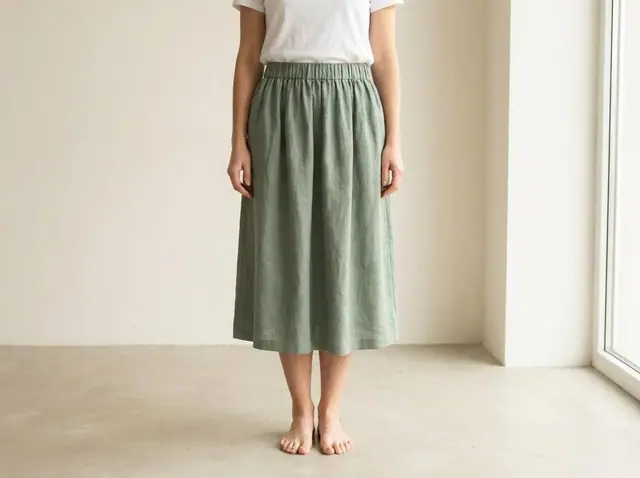
Sew the Elastic-Waist Skirt from this guide, step by step, in the Sewzy app
Pick your size, print it from your phone, and follow every step with a sewing coach beside you.


What is a blind hem?
A blind hem is a hem where the stitches are hidden between the hem and the garment, so the outside shows no line of thread. Compare it with a topstitched hem, where one row of stitching shows on the right side. The hem pants guide covers topstitching and a short version of the hand stitch. This article goes deeper on the hidden hem itself and adds the machine method.
Blind hems suit skirts, dress pants, lined jackets, curtains and any fabric where a visible stitching line would look out of place. Casual knit tees and sleepwear are usually better with a visible topstitch.
What do you need?
- Thread that matches the garment. Thin all-purpose thread hides best.
- For hand sewing: a fine sharp needle (a size 9 or 10 works for most fabrics).
- For machine sewing: a blind hem foot and a machine with a blind hem stitch. Check your manual, since the stitch is often marked with a small zigzag symbol.
- Pins or clips, a ruler or gauge, an iron and a press cloth.
The right needle and thread make a big difference; the needle and thread guide lists what goes with which fabric.
How do you set up the hem before sewing?
The setup is the same for hand and machine, and it is where most blind hems are won or lost.
- Mark the finished length. Try the garment on, or measure from the waist, and mark the hem fold line all the way round.
- Trim to an even hem allowance. About 1 in to 1½ in is a common range for skirts and pants. A deeper hem hangs well on a flared skirt, but a very wide hem on a curve needs easing.
- Finish the raw edge. Zigzag it, serge it, or use pinking shears so it cannot fray. See how to finish seams without a serger for options.
- Fold up on the mark and press. Press only the fold. Use a press cloth on dark or synthetic fabric so the iron does not leave a shine.
- Pin or clip the hem. Place pins across the hem, not along it, so they are easy to remove as you sew.
How do you sew a blind hem by hand?
The hand blind stitch is also called a slip stitch. It is slow but gives the most control, and it is the best choice for delicate or curved hems.
- Thread the needle with a single strand about 18 in long. A long thread tangles, so keep it moderate. Knot one end.
- Fold the finished edge of the hem back about ¼ in so you can see the inside of the garment. Hold it between your thumb and finger.
- Start inside the fold so the knot is hidden. Bring the needle out through the hem edge.
- Take a tiny bite of the garment. Pick up just one or two threads of the garment fabric, directly above the hem edge.
- Slide into the hem fold. Insert the needle into the fold of the hem and run it along inside for about ¼ in, then bring it out.
- Repeat with another small bite of the garment, then another slide inside the hem. Keep the thread relaxed, not pulled tight.
- Finish with two tiny stitches in the same place and tuck the knot under the fold.
- Press lightly with a press cloth from the wrong side.
If you are new to hand stitches, the guide to sewing a stuffed animal by hand shows the ladder stitch, which uses the same hidden-thread idea.
How do you sew a blind hem with a machine?
The machine blind hem works by folding the fabric in a particular way, so the stitch only catches the garment in one spot every few stitches. Your machine manual shows the exact settings, but the method is standard.
- Finish the raw edge and press the hem up as in the setup steps above.
- Fold the hem back on itself. Lay the garment wrong side up. Fold the pressed hem allowance back toward the garment, so the new fold sits on top and the finished hem edge sticks out about ¼ in beyond it. Press and pin.
- Attach the blind hem foot and select the blind hem stitch. Many machines let you adjust stitch width. Start on the narrow side.
- Place the fabric so the guide on the foot rides against the fold of the garment. The straight stitches land on the hem edge. The zigzag swing hops left to just catch the fold.
- Sew slowly and keep the fold against the guide. Do not push or pull the fabric.
- Open the hem and check the right side. You should see only tiny dots, if anything. If the zigzag bite shows too much, narrow the width. If it misses the fold, widen it a little.
- Press the hem flat from the wrong side.
Always test first. Sew a sample on a scrap of the same fabric folded the same way, then adjust the stitch width until the bite is barely visible from the right side.
Which method should you choose?
| Method | Speed | Best for |
|---|---|---|
| Hand blind stitch | Slow | Silk, curves, thick fabric, small hems |
| Machine blind hem | Fast | Long straight hems on skirts, curtains, dress pants |
| Topstitched hem | Fast | Casual clothes, sleepwear, kids' clothes |
Which fabrics and threads work best?
- Woven cotton, linen, wool and crepe blind hem well because they hold a crisp fold.
- Very thin or slippery fabric shifts under the machine foot. Hand sewing gives better results.
- Stretchy knit can ripple. Use a hand stitch with a looser tension, or a topstitched hem with a ballpoint or stretch needle.
- Thread: match the fabric color. On a print, match the dominant color. If you cannot match exactly, go one shade darker, because thread looks lighter once it is sewn.
Not sure which fabric to start with? See best fabric for beginner sewing.
Common mistakes and how to fix them
- Stitches show on the right side. You took too deep a bite of the garment. Pick up only one or two threads. On the machine, reduce the stitch width.
- The hem puckers. The thread is pulled too tight. Keep hand stitches relaxed. On the machine, reduce the top thread tension slightly and sew a test first.
- A visible ridge along the hem. Too much pressure from the iron on the fold. Press with a press cloth and press from the wrong side. A seam allowance step inside the hem can also show, so trim or grade it.
- Uneven hem length. Measure from the waist or the floor at several points, not only at the center.
- Thread color shows. Switch to a closer match, one shade darker if needed, or a finer thread.
- The hem flips out. Add a few small stitches at each seam, or use a hem tape on heavy fabric.
Which Sewzy patterns use a hem you can blind stitch?
Any pattern with a turned-up hem can take a blind hem instead of a topstitch. These three include hem allowance in the pattern:
| Pattern | Hem allowance included | Level |
|---|---|---|
| Elastic-Waist Skirt (free) | 1¼ in | Beginner |
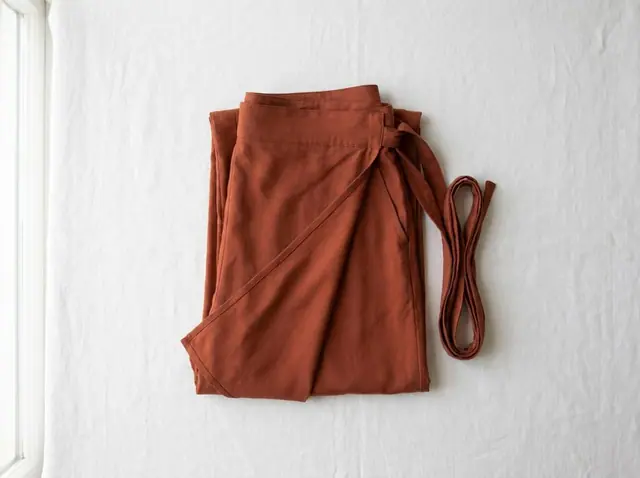
| Wrap Pants (in the Sewzy app) | 1¼ in | Beginner |
| Girls A-Line Dress (in the Sewzy app) | 1 in | Beginner |
The pattern steps show a topstitched hem. To switch, follow the pattern up to the hem step, then finish the raw edge, press the hem up and use the blind stitch methods above instead of the topstitch. If you want more on the seam allowance in a pattern, see seam allowance explained.
 10 gifts to sew for teachers (desk to classroom)6 min read
 How to topstitch: a beginner's guide to straight lines6 min read
 How to sew with minky without the mess (beginner guide)7 min read