Sewzy
Sewzy
A seam allowance is the strip of fabric between the cut edge and the line you sew, and the most common sizes are ¼ inch (6 mm), ⅜ inch (1 cm), ½ inch (1.3 cm) and ⅝ inch (1.5 cm). Always use the amount your pattern gives.
Which seam allowance is standard?
It depends on what you are sewing. There is no single rule, but these are the usual amounts:
| Seam allowance | Metric | Typically used for |
|---|---|---|
| ¼ inch | 6 mm | Quilting, small toys, ornaments |
| ⅜ inch | 1 cm | Many modern PDF and indie patterns, baby clothes |
| ½ inch | 1.3 cm | Bags, cushions, many home projects |
| ⅝ inch | 1.5 cm | Traditional dressmaking in the US and UK |
The ⅝ inch allowance gives room to adjust a garment and finish raw edges. Smaller allowances are good for small items and curves because there is less bulk to manage.
Why does seam allowance matter?
If you sew ½ inch when the pattern says ⅝ inch, every seam adds ⅛ inch of width. On a garment with four seams across the body, that can add up to ½ inch or more. For a bag or cushion cover, it can change the finished size. Consistent seams make everything fit together.
How do I sew an even seam allowance?
- Look at the throat plate (the metal plate under the needle). It has lines marked at ¼, ⅜, ½ and ⅝ inch (or in millimeters).
- Line the raw edge of the fabric with the line you need. Keep the edge on that line as you sew.
- For a ¼ inch seam, a ¼ inch presser foot is a helpful tool. Many machines include one.
- If your machine has no marks, stick a strip of masking tape on the plate at the right distance from the needle. Use a magnetic guide only if it is safe for your machine.
- Look at the edge of the fabric, not the needle. This keeps your seam straight.
Practice on a scrap. Sew a line, measure it with a ruler, and adjust until it is exactly right.
Does the pattern already include the seam allowance?
Check the instructions. Many commercial and indie patterns include it in the pieces, with a stated amount such as ⅜ inch. Some patterns, especially from pattern drafting methods, do not and ask you to add it when you cut. If you are unsure, look at the cutting-line description or any note near the start of the guide. Our guide to reading a sewing pattern explains where to look.
How do I trim and finish seam allowances?
- Press open: iron the seam flat open so the garment lies smooth.
- Press to one side: common for quilts and small items, as it makes a stronger seam.
- Trim corners: cut across the point close to the stitches, about ⅛ inch (3 mm) away, so the corner turns neatly.
- Clip curves: snip small notches into an inward curve and trim an outward curve, never cutting through the stitches.
- Finish raw edges: use a zigzag stitch, pinking shears or an overlocker so cotton does not fray.
What about a seam allowance on corners?
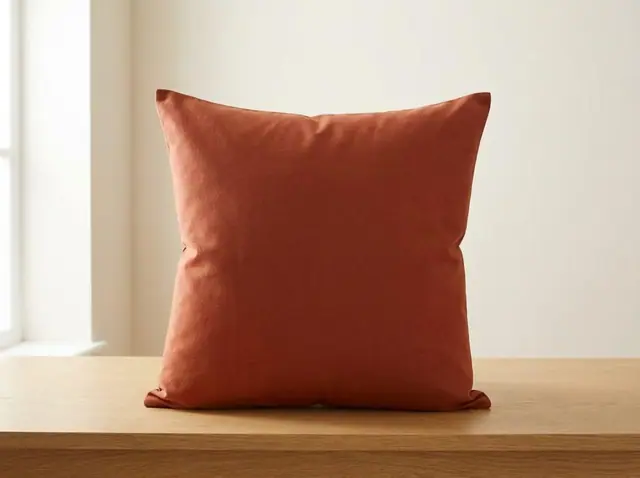
At a corner, sew until you are one seam allowance away from the edge, leave the needle down, lift the presser foot, turn the fabric 90 degrees and continue. This keeps square corners exact. It is a skill you use on cushions and bags such as the free Envelope Cushion, which comes in 16, 18, 20 and 24 inch sizes, and on the Boxed Tote Bag.
Mistakes to avoid
- Mixing two different allowances in the same project.
- Sewing right at the edge, which lets the fabric fray out of the seam.
- Cutting off the allowance on a pattern that does not include it.
- Skipping a test seam on stretchy or slippery fabric.
A quick measurement check before you start saves a lot of unpicking. Add the right tools to your kit with our list of sewing tools for beginners.
Make it with Sewzy
In Sewzy, the written guide for each pattern tells you the seam allowance to use, so you do not need to guess. You also get a print-at-home PDF (Letter, A4 and an A0 copy-shop file), all sizes and an AI sewing coach for questions. Sewzy is iPhone only: $3.99 per week or $29.99 per year, with a 3-day free trial. Get Sewzy on the App Store.
FAQ
What is a standard seam allowance?
There is no single standard. ⅝ inch (1.5 cm) is traditional for dressmaking, ½ inch for many home projects, ⅜ inch for many indie patterns and ¼ inch for quilting.
How do I sew a ¼ inch seam?
Use the ¼ inch line on your throat plate or a ¼ inch presser foot, and keep the fabric edge on that guide.
Is seam allowance included in PDF patterns?
Often yes, but not always. Read the pattern notes before you cut.
Why is my finished project smaller than the pattern?
Usually the seams were wider than the pattern's seam allowance. Even ⅛ inch extra on each seam adds up.
Should I press seam allowances open?
For garments, usually yes. For quilts and small items, pressing to one side is common.
 What size sewing pattern do I need?6 min read
 How to find a sewing pattern from a photo5 min read
 Thanksgiving porch goose outfits: turkey, harvest and scarecrow looks to sew5 min read
 Handmade Christmas gifts to sew: 15 ideas by time and skill6 min read