Sewzy
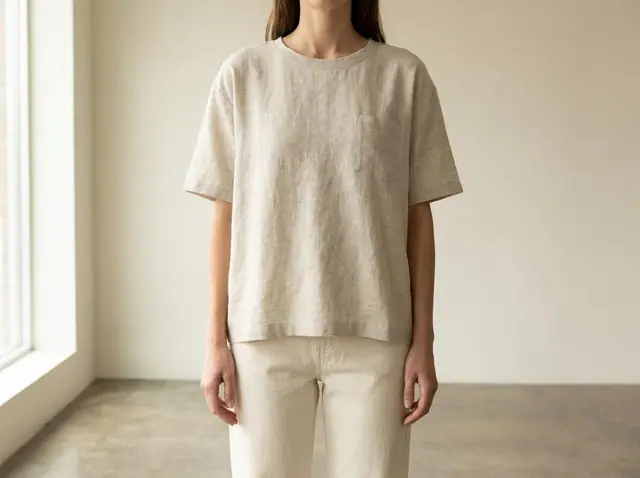
The best fabric for beginner sewing is a stable, medium-weight woven cotton, such as quilting cotton or poplin. It has little stretch, it folds and presses crisply, and it forgives a seam you have to rip out. Linen and flannel are good second choices, while knits and slippery fabrics are better left until you have a few projects behind you.
TL;DR
- Start with woven cotton in a medium weight. It is easy to cut, pin, press and sew.
- Linen is lovely but wrinkles and frays. Flannel is soft and forgiving. Both are fine for beginners.
- Knits stretch, so they need different needles, stitches and patterns. Wait on those.
- Wash and dry the fabric before you cut it so any shrinking happens first.
- Match the fabric to the pattern. Each Sewzy pattern lists the fabrics it suits.
What is the difference between woven and knit?
A woven fabric is made of threads that cross at right angles, so it holds its shape and barely stretches. A knit is made of interlocking loops, so it stretches and recovers. That is why woven fabric is easier on a machine: it does not shift or curl, and a regular straight stitch is fine. Knits need a stretch-friendly needle and stitch, and the cut edges roll.
Which fabrics are best for beginners?
| Fabric | Why beginners like it | Watch out for | Good for |
|---|---|---|---|
| Quilting cotton | Stable, easy to press, many prints | Can be stiff in thick layers | Bags, pouches, cushions, gifts |
| Poplin, lawn, chambray | Smooth, light to medium weight | Lawn is thin and slippery to cut | Tops, skirts, shorts |
| Linen | Breathable, strong, holds shape | Wrinkles and frays, shrinks | Pants, totes, cushions |
| Flannel | Soft, cozy, forgiving | Lint, and it shrinks | Sleepwear, blankets, baby items |
| Canvas or denim | Sturdy and hard-wearing | Needs a stronger needle, thick seams | Totes, aprons, bags |
| Fleece | No fraying, warm | Stretchy and bulky, sticks to the foot | Blankets, hats, simple toys |
| Knit or jersey | Comfortable | Stretches, curls, needs a stretch needle | T-shirts, leggings (later) |
Why is cotton the usual first choice?
Cotton is recommended in sewing education for first-time sewers because it has little stretch and handles well. It also takes a crisp crease, which makes pressing seams easy, and it comes in a huge range of prints. Look for a firmly woven cotton, not a thin or loosely woven one that frays quickly.
How do you pick fabric for a project?
- Read what the pattern recommends. A pattern lists the fabric types that suit it. The Sewzy Drawstring Bag takes quilting cotton, linen, canvas or a lightweight denim, and the Envelope Cushion takes home-decor cotton, linen, canvas or velvet.
- Check the weight. A tote needs sturdy fabric, while a skirt needs drape. The Boxy Tee is for light to medium wovens such as linen, cotton lawn, double gauze, chambray, tencel or poplin, and not for knits.
- Check the care. A kitchen item must be washable and heat-safe; the Bowl Cozy needs 100% cotton throughout. Read how to sew a microwave bowl cozy for why.
- Buy a little extra. Shrinkage and cutting mistakes eat fabric. The how much fabric do I need guide shows how to work out the amount.
What should you do before you cut?
- Preshrink. Wash and dry the fabric as you will care for the finished piece, then press it.
- Straighten the grain. Line up the cut edge and the selvage, which is the finished edge of the fabric, so the fabric lies flat.
- Use the right needle. A universal needle suits most wovens; denim and canvas need a heavier one. The needle and thread guide covers sizes.
Which fabrics should a beginner skip at first?
- Slippery fabrics such as satin, silk and chiffon shift while you cut and sew.
- Very stretchy knits such as spandex and thin jersey are hard to feed evenly.
- Sheer or loosely woven fabric frays and shows every mistake.
- Heavy leather, faux fur and thick pile need special needles and care.
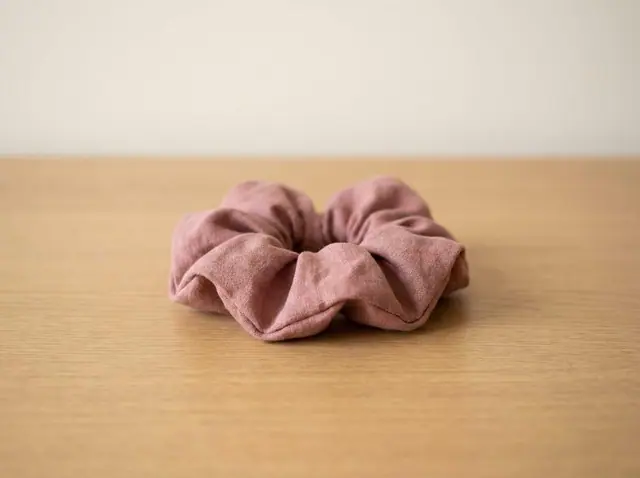
The free Scrunchie is a nice exception: it works in satin, silk, cotton lawn, linen, velvet or jersey, so it is a small, low-cost way to try slippery and stretchy fabrics on a project that uses only a scrap.
Which projects pair well with which fabric?
Pick a cotton pouch or bag first, then step up. Easy sewing projects for beginners lists first makes, and scrap fabric projects shows what to do with leftovers. The Zipper Pouch and Boxed Tote Bag are good next steps in cotton and canvas.
How do you read a fabric label?
Look for three things on the bolt end or the online listing: the fiber content (for example 100% cotton), the width, and the care instructions. Width matters when you work out yardage, because the same pattern may need more fabric from a narrower bolt. Sewzy fabric amounts for garments such as the Boxy Tee list both a 45 in and a 58 in width. A fiber blend is fine for most projects, but for anything that goes in the microwave or near high heat, stay with 100% cotton.
What do light, medium and heavy weight mean?
Weight describes how thick and heavy the cloth feels in your hand. Light fabrics such as lawn drape and flutter. Medium fabrics such as quilting cotton, poplin and flannel hold their shape and are the easiest to control. Heavy fabrics such as canvas and denim are sturdy but need a stronger needle and slower sewing over thick seams. If a pattern says medium weight, a quilting cotton is almost always a safe pick.
Sources
Cotton as a good fabric for first-time sewers, with little elasticity: Utah State University Extension, 4-H Skill-a-thon Sewing. Preshrinking by washing and drying before cutting: Purdue Extension, 4-H sewing helper's guide. Fabric lists for each pattern come from the Sewzy catalog.
 How to sew an envelope pillow cover (no zipper)5 min read
 How to hem pants by hand and by machine6 min read
 How to sew a straight line and smooth curves6 min read
 Thread bunching under fabric? Fix a bird's nest6 min read