Sewzy
Sewzy
Start with the yardage chart on the pattern, match your size and the width of the fabric you are buying, then add a little for shrinkage and for prints that need matching. Here is how to read each of those.
Start with the pattern's fabric chart
Any good pattern includes a chart that lists the amount of fabric by size. Always begin there. The chart already considers the pattern pieces and the usual fabric width. Match your size and fabric width, and you have a reliable starting number.
Pay attention to which width the chart uses. Fabric in a shop is sold off a bolt, and the width is not always the same.
Know your fabric width
Fabric width is the distance from one finished edge (selvage) to the other. Common widths include:
- Quilting cotton: about 42 to 44 inches (around 110 cm).
- Dress and apparel fabric: often 54 to 60 inches (around 140 to 150 cm).
- Home decor fabric: usually wider again.
If your fabric is narrower than the chart assumes, you will probably need more length. If it is wider, you may need less. Check the label on the bolt before you ask for a length.
Yards, meters and conversions
A yard is 36 inches, which is about 0.91 meters. A meter is about 1.09 yards. When you are converting, round up to the next quarter yard or the next ten centimeters. Shops usually cut in those steps, so this saves you from being a little short.
Plan your own layout
For small projects that do not have a chart, sketch a layout. Measure each pattern piece at its longest and widest points. Draw a rectangle that matches the fabric width and place the pieces inside it, keeping the grain line parallel to the selvage. Then measure the length you used. This quick drawing is what a fabric calculator does for you.
Remember to include a seam allowance if the pieces in your plan do not already have it.
Things that add to the amount you need
Shrinkage
Cotton can shrink when washed, so buy a little extra, about 5 to 10 percent, and pre-wash before cutting. Pre-washing means your finished project will not change size on its first wash.
Pattern matching
Stripes, plaids and large prints need to line up across seams. This takes extra fabric, often an additional quarter to half a yard for small projects. For a big garment, add more.
One-way prints
A print with a direction, such as flowers that point up, must be cut with all the pieces facing the same way. That limits how you can place pieces, so you need extra length.
Nap and pile
Velvet, corduroy and fleece have a direction. Pieces must all be cut the same way, so allow for extra fabric.
Mistakes
If you are a beginner, add a little for mistakes. A spare quarter yard is cheap insurance when you are learning.
Do not forget the extras
Lining, interfacing, batting, bias binding and elastic are all separate. Check the pattern's supplies list and note each of them. For quilted items, you will need top fabric, backing and batting, and the backing is the same size as the top, plus a little.
A worked example
Say a tote bag needs two outer pieces and two lining pieces, each 16 by 18 inches, plus two straps. Fabric at 44 inches wide fits two 16 inch pieces side by side, so you can cut both outer pieces in a single 18 inch row, and both lining pieces in another. That is 36 inches for the bag body, or one yard, plus straps and a margin for shrinkage. So buy a little over a yard of each fabric. A quick sketch makes numbers like this obvious.
Buy the right amount, not the exact amount
Add a small safety margin and keep leftovers. Offcuts make pouches, appliqué, pockets and patchwork, so extra fabric is rarely wasted. If the fabric is a one-off and the shop is far away, buy a bit more than you think you need.
Make it with Sewzy
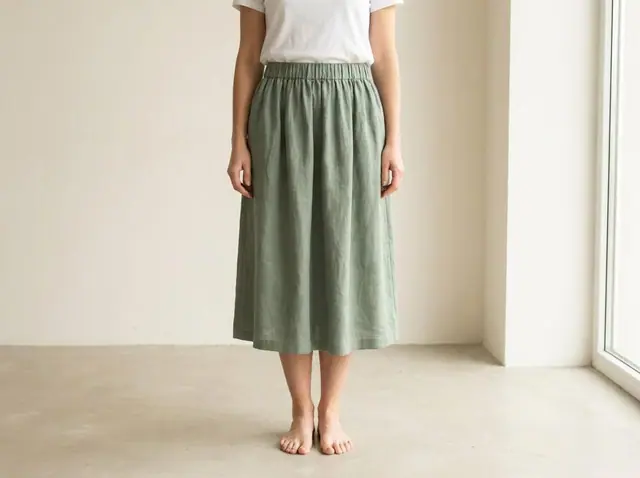
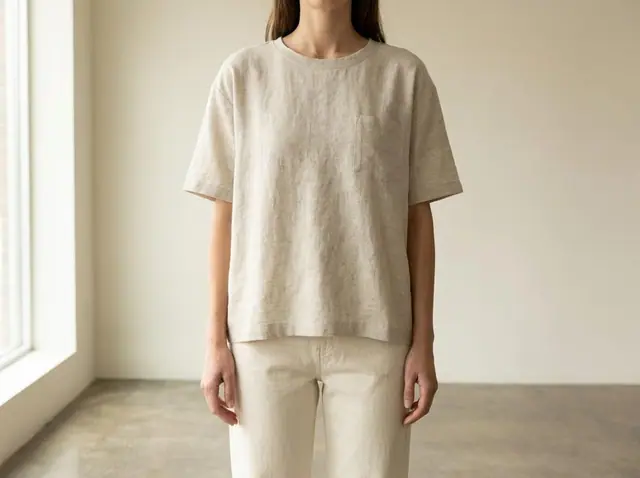
Each Sewzy pattern page lists the fabric for every size, taken from the pattern itself, so you can check before you buy. The Boxy Tee and the Elastic-Waist Skirt are good examples, and both are free. If a project still puzzles you, ask the AI sewing coach in the app. Download Sewzy on the App Store.
FAQ
How do I work out how much fabric I need?
Start with the fabric chart in the pattern for your size and fabric width. For small projects without a chart, sketch the pieces inside a rectangle the width of the fabric and measure the length.
Should I buy extra fabric?
Yes. Add about 5 to 10 percent for shrinkage, and more for stripes, plaids, one-way prints or fabrics with a nap.
What is the difference between yards and meters?
A yard is 36 inches or about 0.91 meters. A meter is about 1.09 yards. Round up when converting.
Does fabric width change the amount I need?
Yes. Narrower fabric usually needs more length, and wider fabric may need less. Always check the width on the bolt.
 How to find a sewing pattern from a photo5 min read
 Thanksgiving porch goose outfits: turkey, harvest and scarecrow looks to sew5 min read
 Handmade Christmas gifts to sew: 15 ideas by time and skill6 min read