Sewzy
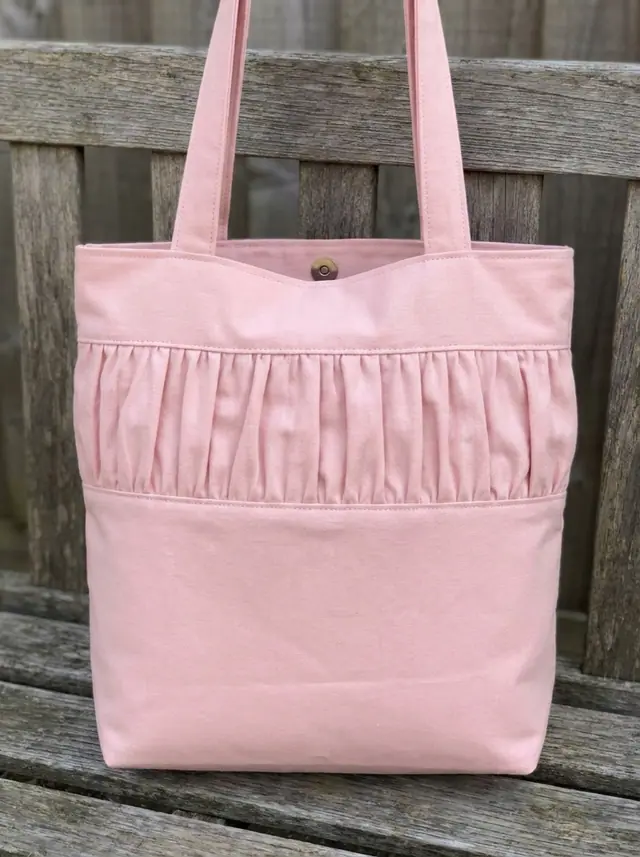
To gather fabric, sew two parallel rows of long basting stitches just inside the seam allowance, leave the thread tails free, then pull both bobbin threads gently until the fabric is the right width. Pin the gathers evenly and sew the final seam on the seam line, right next to the basting rows. This method works for gathered bag panels, scrub cap crowns, ruffles, and any seam where one edge is longer than the other.
TL;DR
- Machine basting is the fastest; two rows, longest stitch, pull the bobbin threads.
- Zigzag over cord works best on thick or stiff fabric.
- Hand running stitch gives the most control for small pieces and curves.
- Always gather to a measured length, then pin at the center, quarters, and in between before sewing.
- Remove the basting stitches after the final seam is sewn.
Sew the Ruched Tote from this guide, step by step, in the Sewzy app
Pick your size, print it from your phone, and follow every step with a sewing coach beside you.


What does gathering mean in sewing?
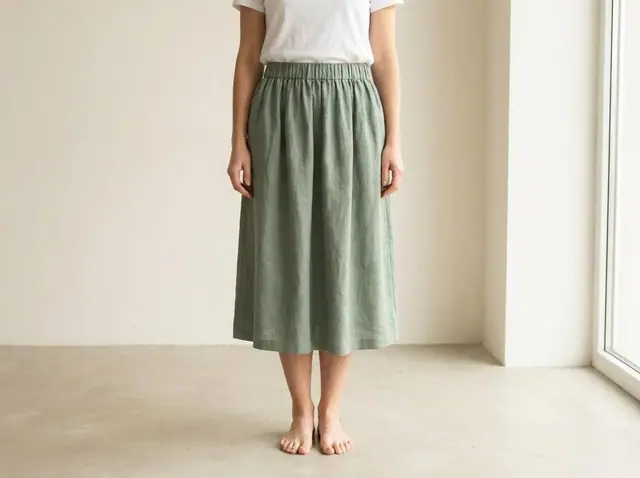
Gathering means pulling a longer piece of fabric to fit a shorter one. The extra fabric forms small, even folds called gathers. You see it on skirt waistlines, sleeve caps, ruffles, bodice yokes and bag panels. The Elastic-Waist Skirt pattern in Sewzy skips machine gathering by using elastic to pull the waist in, but many other projects need it.
Method 1: machine basting stitches (the standard way)
This is the most common gathering technique. It works on cotton, linen, and light to medium fabrics.
- Set your stitch length to 4 or 5 mm. This is the longest setting on most machines. Keep the thread tension at normal.
- Sew the first row in the seam allowance, close to the seam line. If your seam allowance is ⅝ in, sew at ½ in from the edge. Do not backstitch at the start or end; leave thread tails at least 4 in long.
- Sew a second row about ¼ in away from the first, also inside the seam allowance. Same settings, same long tails.
- Pin one end. Wrap the thread tails around a pin in a figure eight so they cannot slip.
- Pull the bobbin threads from the other end. Hold both bobbin tails together and slide the fabric gently. Do not yank; the thread will snap.
- Gather to the target width. Measure against the piece it will be sewn to. Pin the gathered piece at the center, then the quarter marks, then every inch. Spread the gathers evenly between pins.
- Sew the seam on the seam line, right next to the basting rows, so the gathering stitches stay in the seam allowance. Sew with the gathered side up so you can see the folds and keep them from folding back on themselves.
- Remove the basting stitches by pulling them out with a seam ripper or your fingers. Press the seam allowance toward the flat piece.
Method 2: zigzag over cord (for heavy fabric)
When basting threads snap in thick fabric like canvas, denim, or corduroy, switch to this method.
- Cut a piece of thin, strong cord, dental floss, or crochet thread a few inches longer than the edge.
- Set your machine to a medium-width zigzag (about 3 mm wide, with a short stitch length).
- Lay the cord on top of the fabric, just inside the seam allowance, close to the seam line. Zigzag over the cord without catching it in the stitches. The zigzag hops over the cord on each side.
- Pin one end of the cord to the fabric.
- Pull the free end of the cord. The fabric slides along it and gathers up.
- Pin, adjust, and sew the final seam the same way as method 1.
- Pull the cord out after sewing.
This method is also good for gathering long ruffles, because the cord is stronger than a bobbin thread and will not break halfway.
Method 3: hand running stitch (for small pieces)
Use this when you are gathering a short edge, a curved piece, or something too small to fit under the machine presser foot easily.
- Thread a hand needle with a double strand of thread. Knot the end.
- Sew a running stitch in the seam allowance, close to the seam line: in and out, about ¼ in apart.
- At the end, do not knot. Pull the thread to gather the fabric to the target width.
- Wrap the thread around a pin to hold it, then pin the gathers in place.
- Sew the final seam by machine or by hand.
If you have never used a running stitch, the hand sewing guide covers basic hand stitches.
Common mistakes when gathering
- Only one basting row. One row gathers unevenly and the thread breaks more easily. Two rows give you control.
- Backstitching the basting. If you backstitch, you lock the thread and cannot pull it. Leave the tails free.
- Pulling the needle thread instead of the bobbin thread. The bobbin thread is the one on the underside (the side that was facing down on the machine). It slides through the top stitches. If you pull the needle thread, it bunches and snaps.
- Not pinning before sewing. Gathers will bunch up at one end if you try to sew without pinning them in place first.
- Pressing directly on the gathers. Hover the iron above and steam, or press only the seam allowance. Flattening the gathers with the iron defeats the purpose.
Where gathering shows up in Sewzy patterns
| Pattern | Where gathers are used | Level |
|---|---|---|
| Ruched Tote | The ruched panel on the bag | Beginner |
| Elastic-Waist Skirt (free) | Waist is gathered by elastic, not basting | Beginner |
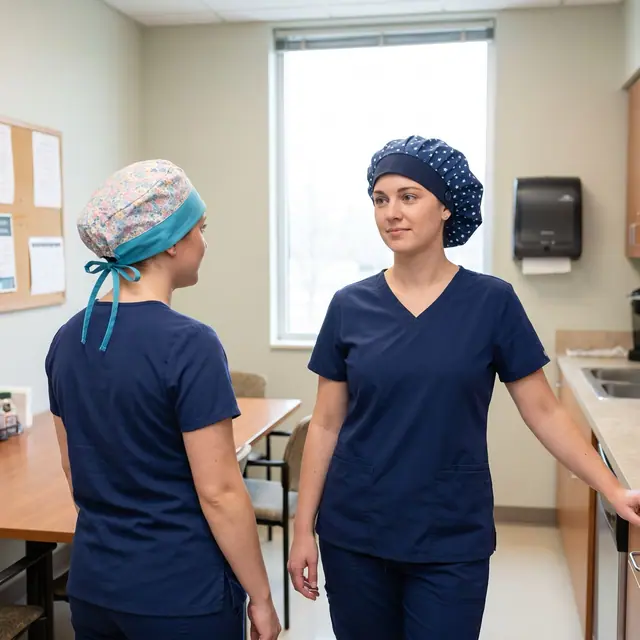
| Tie-Back Scrub Cap | The gathered crown | Intermediate |
If gathering at the waist with elastic rather than basting threads, the elastic waistband guide walks through that version step by step. For an overview of beginner-friendly fabric types, see best fabric for beginner sewing.
 10 gifts to sew for teachers (desk to classroom)6 min read
 How to topstitch: a beginner's guide to straight lines6 min read
 How to sew with minky without the mess (beginner guide)7 min read