Sewzy
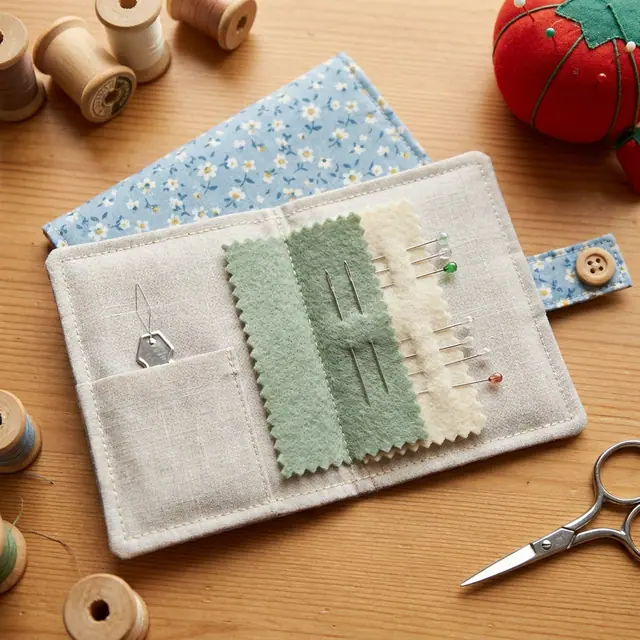
To start hand embroidery you need six things: a 6 inch hoop, a pack of embroidery (crewel) needles in mixed sizes, six-strand cotton floss in a few colors, a piece of plain woven cotton or linen, small sharp scissors, and a way to mark the design, such as a water-soluble pen. That is the whole kit. Everything else is nice to have, and you can add it later if you keep stitching.
TL;DR
- Hoop: 6 inch for your first projects, a little bigger than the design.
- Needles: embroidery (crewel) needles, a mixed pack. Higher numbers are finer.
- Floss: six-strand cotton embroidery floss. Most work uses 2 or 3 strands.
- Fabric: medium-weight woven cotton or linen. No stretch for your first piece.
- Scissors: small and sharp, kept for thread.
- Marker: a water-soluble pen, or sticky water-soluble stabilizer for dark fabric.
The beginner kit at a glance
| Item | What to get | Why |
|---|---|---|
| Hoop | 6 inch wooden or plastic hoop with a screw | Holds the fabric tight so stitches stay even |
| Needles | Embroidery (crewel) needles, mixed sizes | A sharp point and a long eye for floss |
| Floss | Six-strand cotton floss, a few colors | Splits into 1 to 6 strands for fine or bold lines |
| Fabric | Medium-weight woven cotton or linen | Firm, no stretch, and light colors are easy to trace onto |
| Scissors | Small embroidery scissors with fine tips | Trim threads close without catching the fabric |
| Marker | Water-soluble pen; sticky stabilizer for dark fabric | Puts the design on the fabric, then washes away |
Embroidery hoops: what size?
Pick a hoop a little bigger than your design, so the whole design fits without moving the hoop. A 6 inch hoop is comfortable to hold and fits most beginner patterns. A 4 or 5 inch hoop suits small motifs and clothes, where a big hoop will not sit flat on a chest or a sleeve. An 8 inch hoop or larger is for bigger designs, and gets tiring to hold for long.
Wooden hoops with a screw are the classic choice and easy to tighten. Plastic hoops with a lip grip well and do not mark the fabric as easily. Either is fine. Two small habits help: wrap the inner ring with cotton tape if slippery fabric keeps loosening, and take the fabric out of the hoop when you stop for the day, so the hoop does not leave a ring.
Embroidery needles
Buy embroidery needles, also sold as crewel needles. They have a sharp point to pierce woven fabric and a long eye that takes several strands of floss. With needles, the higher the number, the finer the needle:
| Strands of floss | Needle size |
|---|---|
| 1 or 2 | 9 or 10 |
| 2 or 3 | 7 or 8 |
| 3 or 4 | 5 or 6 |
| 5 or 6, or heavy fabric like denim | 3 or 4, or a chenille needle |
A mixed pack covers all of these. Tapestry needles, with a blunt tip, are for cross stitch on Aida cloth, not for regular embroidery. A needle threader helps if the eye is hard to see. Keep your needles in a needle book so they do not end up in the sofa; the Needle Book is a quick little sew with felt pages for exactly that.
Embroidery floss and how many strands to use
Six-strand cotton embroidery floss is the standard thread. It comes as a loose bundle of six thin strands that you separate. Cut a length about 18 inches long, pull out one strand at a time, then lay the strands you need back together. Pulling them out one by one keeps them from twisting into a knot.
- 1 strand: very fine detail and tiny lettering.
- 2 strands: most lettering and delicate outlines.
- 3 strands: everyday outlines and satin stitch fills.
- 4 to 6 strands: bold lines, quick fills, and stitching on denim or canvas.
Pearl cotton is a single twisted thread that you do not separate. It gives a shiny, bold stitch and is nice once you have the basics. Ordinary sewing thread is too thin to cover well. Keep each floss color wound on a small card or bobbin with its color number written on it, so you can buy the same shade again.
Fabric for embroidery
Start with a medium-weight woven fabric: cotton, quilting cotton, linen or a cotton-linen blend. It is firm in the hoop, does not stretch, and in a light color you can trace a design straight through it. Avoid knits and very loose weaves for your first piece. Cut the fabric big enough to reach a couple of inches past the hoop on every side, so it is easy to pull tight. If the finished piece will be washed, prewash the fabric first. Aida, the stiff fabric with a grid of holes, is for cross stitch. For more on fabric types, see best fabric for beginner sewing.
Scissors and marking tools
Small embroidery scissors with fine, sharp tips let you snip threads close to the work. Keep them for thread only, and they stay sharp for years. For marking, a fine water-soluble pen covers most light fabrics. For dark fabric, clothes and towels, sticky water-soluble stabilizer is the most reliable. The pros and cons of each are in how to transfer an embroidery pattern to fabric.
Nice to have, not needed
- A light box. A bright window does the same job.
- A thimble, for pushing the needle through denim and canvas.
- Soft fusible stabilizer, for embroidering knit tees and sweatshirts.
- Floss cards or bobbins and a small box to keep colors tidy.
- A hoop stand, which frees both hands once you stitch a lot.
Kit or separate supplies?
A beginner kit is an easy start: the design is often printed on the fabric and the floss colors are picked for you. The quality of the hoop and needles in kits varies, though. If your hoop will not hold the fabric tight, a better hoop fixes most of the frustration. Buying the basics separately takes a little more thought but is more flexible, because one hoop and a pack of needles last for many projects, and you only need to buy new floss and fabric.
What to stitch first
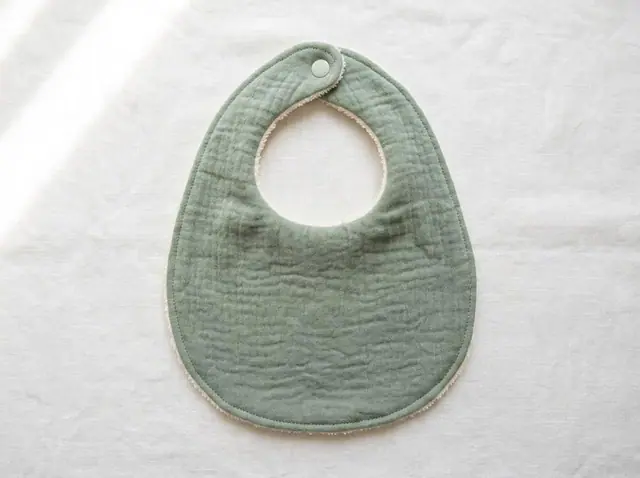
Practice the basic stitches on a scrap first, using embroidery stitches for beginners. Then put them on something you will use. A name on a Baby Bib, initials on a Zipper Pouch or a flower on an Envelope Cushion are all small, flat pieces you embroider before sewing them up, and all three are free in the Sewzy app. For bigger pieces like tees and totes, read how to embroider clothes and bags, and for the sewing side of your toolkit, sewing tools for beginners.
Related guides: how to start and end embroidery thread and how to finish the back of an embroidery hoop.
 Winter sewing projects: 14 cozy things to make6 min read
 How to sew fabric Christmas ornaments (4 shapes)6 min read
 Gifts to sew for men: 10 things he will actually use6 min read