 Sewzy
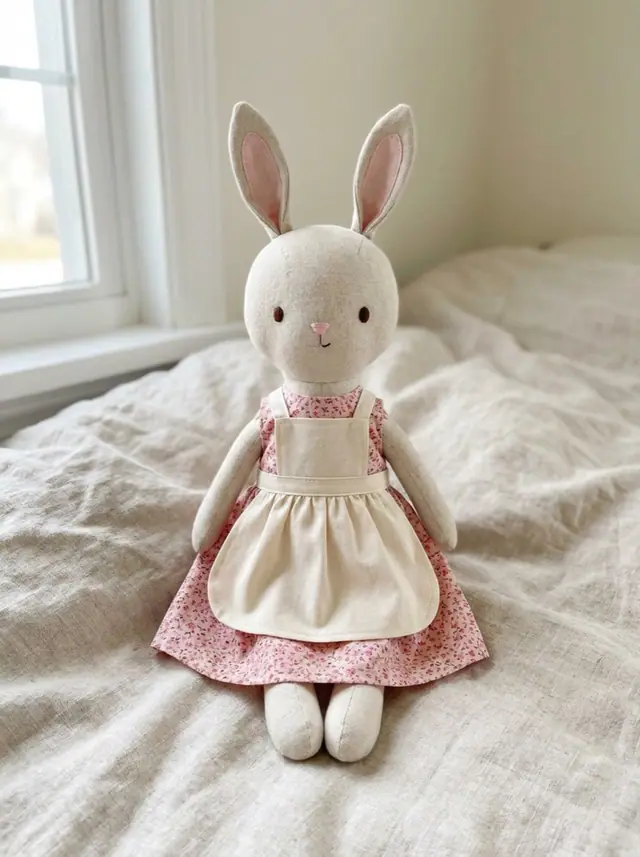
The basic hand sewing stitches for beginners are the running stitch, basting stitch, backstitch, whipstitch, ladder stitch, blanket stitch and catch stitch. Learn those seven, plus how to thread a needle, knot the thread and end off, and you can mend a seam, close a plush, finish an edge and hem by hand.
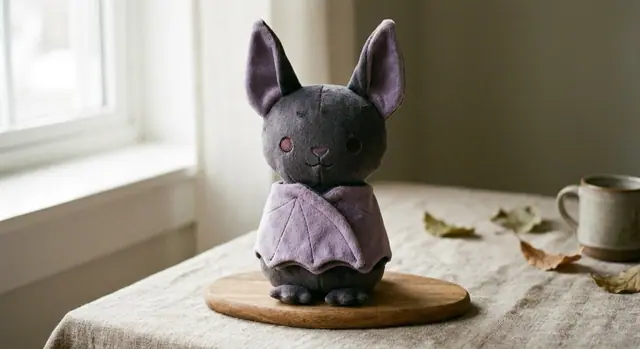
Get the pattern: Bunny Doll sewing pattern, with every size and a step-by-step guide.
TL;DR
- Running stitch: the simplest stitch, for gathering and light seams.
- Basting: long, loose stitches that hold layers for a short time.
- Backstitch: the strongest hand stitch, used for seams and repairs.
- Whipstitch: wraps over an edge to join two edges or attach felt.
- Ladder stitch: an invisible stitch for closing a gap on a plush or a pillow.
- Blanket stitch: finishes a raw edge with a decorative loop.
- Catch stitch: a flexible stitch for hems.
Sew the Bunny Doll from this guide, step by step, in the Sewzy app
Pick your size, print it from your phone, and follow every step with a sewing coach beside you.


What do I need for hand sewing?
You need a needle, thread, small sharp scissors and a thimble if you like one. Use a needle with an eye big enough for your thread, and a thread that matches the fabric. Cut a length of thread about as long as your arm, 18 to 24 in. Longer thread tangles and weakens as you pull it through. Our sewing tools for beginners list covers the rest.
How do I thread a needle, knot the thread and end off?
- Thread the needle. Cut the thread end at an angle with sharp scissors so it is clean. Hold the needle up against a light background and push the thread through the eye. Pull a short tail through.
- Single or double. Use single thread for light stitching. Use doubled thread, with both ends knotted together, for sewing on buttons or attaching limbs to a plush.
- Make a knot. Lay the end of the thread across your index finger, wrap it around the finger once, then roll it off with your thumb. Pull it tight into a small knot at the end.
- Start. Bring the needle up from the wrong side so the knot sits on the back, or hide it inside a fold.
- End off. Take a tiny stitch, pass the needle through the loop, and pull to form a knot close to the fabric. Do this twice, then pass the needle through between the layers and snip the thread near the surface.
What are the basic hand stitches and what is each for?
| Stitch | What it is for | Strength |
|---|---|---|
| Running stitch | Gathering, light seams, mending | Medium |
| Basting | Holding layers in place for a short time | Temporary |
| Backstitch | Seams, repairs, strong joins | Strong |
| Whipstitch | Joining two edges, attaching felt | Medium |
| Ladder stitch | Closing a gap invisibly | Medium to strong when pulled snug |
| Blanket stitch | Finishing a raw edge, decoration | Medium |
| Catch stitch | Hems that need some give | Medium, flexible |
How do I sew a running stitch and a basting stitch?
Bring the needle up, then push it down about ⅛ to ¼ in further along and bring it up again the same distance ahead. Repeat so the needle weaves in and out. Several stitches can go on the needle before you pull the thread through. The stitches and the gaps should be the same length. A running stitch is also how you gather fabric: sew a row, leave the end unknotted, then pull the thread to bunch the fabric.
Basting is the same movement with long stitches, about ½ in or more. Use a contrasting thread so it is easy to see, and pull it out once the real stitching is done. Basting is not meant to last.
How do I sew a backstitch?
- Bring the needle up one stitch length from where you want to start.
- Go back down at the starting point, making one stitch backward.
- Bring the needle up one stitch length ahead of the first stitch.
- Go back down at the end of the previous stitch, and repeat.
On the right side the line looks like a machine stitch. On the wrong side the stitches overlap. Because there is no gap between stitches, it is the strongest hand stitch, and it is the one to use for a seam you sew entirely by hand.
How do I sew a whipstitch?
Hold the two edges together. Push the needle from the back to the front through both layers, close to the edge, then take the thread over the top of the edge and repeat. The stitches slant in one direction. Keep them about ⅛ in apart and the same depth. Use it to join edges, to sew felt shapes onto a plush, or to close a seam where small visible stitches are fine.
How do I sew a ladder stitch?
The ladder stitch, also called the invisible stitch and closely related to the slip stitch, closes a gap from the right side so the stitches disappear. Fold the seam allowances of the opening to the inside and press them. Bring the needle out of the fold on one side. Cross to the other side and take a small stitch of about ⅛ in inside the fold, then cross back and repeat. The thread forms little rungs like a ladder. When you pull the thread snug, the rungs vanish and the seam closes. For a detailed walkthrough, see how to sew a ladder stitch.
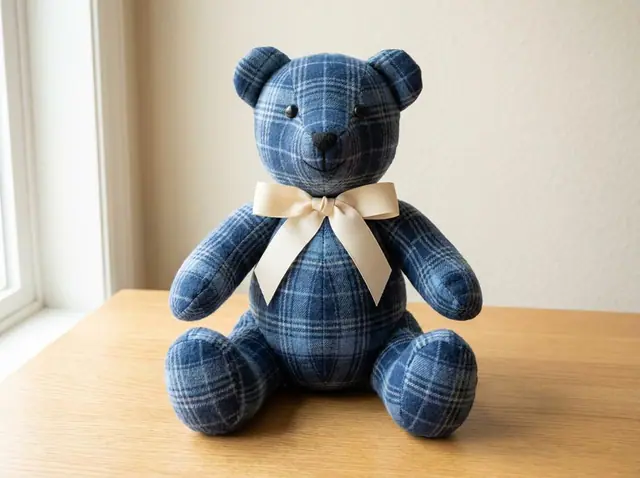
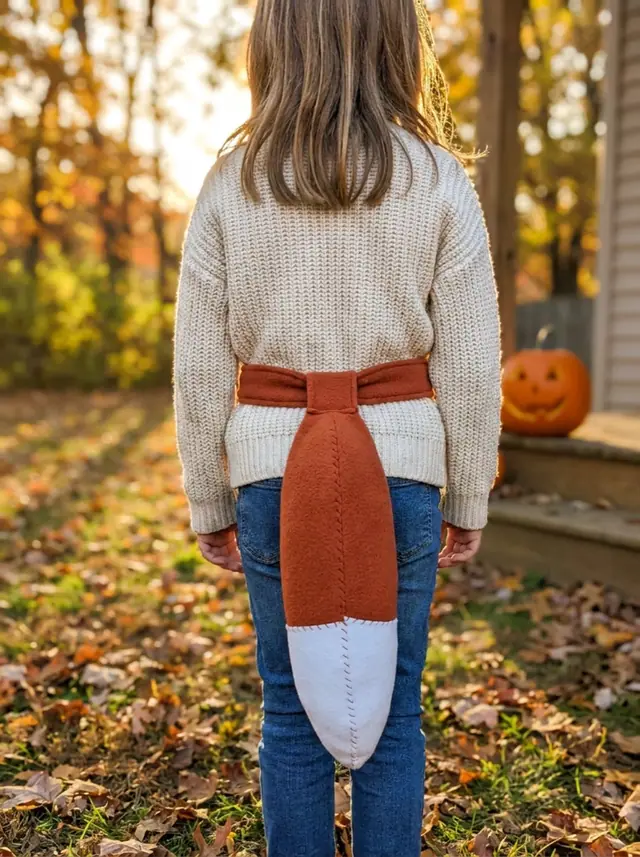
Sewzy plush patterns use this stitch. The Bunny Doll closes gap D with a ladder stitch after stuffing, and the tail puff is ladder-stitched to the back. The Memory Bear closes its gaps the same way, and the Animal Tails pattern ladder-stitches the gap closed after a light stuffing. All three are in the Sewzy app. For more, read how to sew a stuffed animal by hand.
How do I sew a blanket stitch?
Work along a raw edge, left to right. Bring the needle up from the back at the edge. Take it down from the front about ¼ in in from the edge, a stitch width to the right, and bring it out at the edge directly below, with the thread looped under the needle tip. Pull gently so the loop sits snug along the edge, then repeat, spacing the stitches evenly. The stitch looks like a row of little L shapes along the edge. It finishes felt, wool and fleece neatly, and it is also an embroidery stitch. See embroidery stitches for beginners.
How do I sew a catch stitch for a hem?
Fold up the hem and press it. Working from left to right with the needle pointing left (left-handed sewists can reverse the direction), take a tiny stitch in the garment just above the hem edge, then a tiny stitch in the hem edge a little further to the right. The thread crosses in an X shape between the two layers. Because the thread is slack, the hem moves with the fabric, which is why it suits stretchy and woven fabrics. For a hem with no visible stitches, see how to sew a blind hem. For buttons, see how to sew on a button and make a buttonhole.
What are the common mistakes with hand sewing?
- Thread that is too long. It tangles and frays. Keep it to 18 to 24 in.
- Pulling too tight. This puckers the fabric. Pull until the stitch lies flat, then stop.
- Uneven stitches. Mark the line with chalk and keep every stitch about the same length.
- Skipping the knot at the end. Without a knot, the stitches work loose. End off with two small knots.
- Using the wrong stitch. Do not use a running stitch where a seam needs strength. Use a backstitch.
Which stitch should I learn first?
Start with the running stitch and backstitch, then add the ladder stitch for closing a plush. Practice each on scrap fabric with contrasting thread. Once the ladder stitch feels easy, try the Bunny Doll. You can also read how to start and end embroidery thread for more ways to anchor a stitch. For more stuffed animals, see the plushie sewing patterns page.
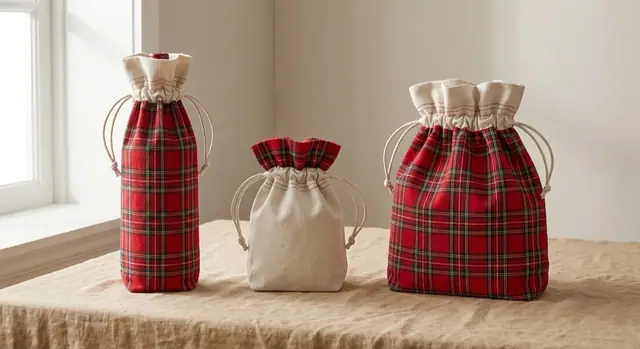 Hostess gifts to sew: 10 handmade ideas, ordered by time7 min read
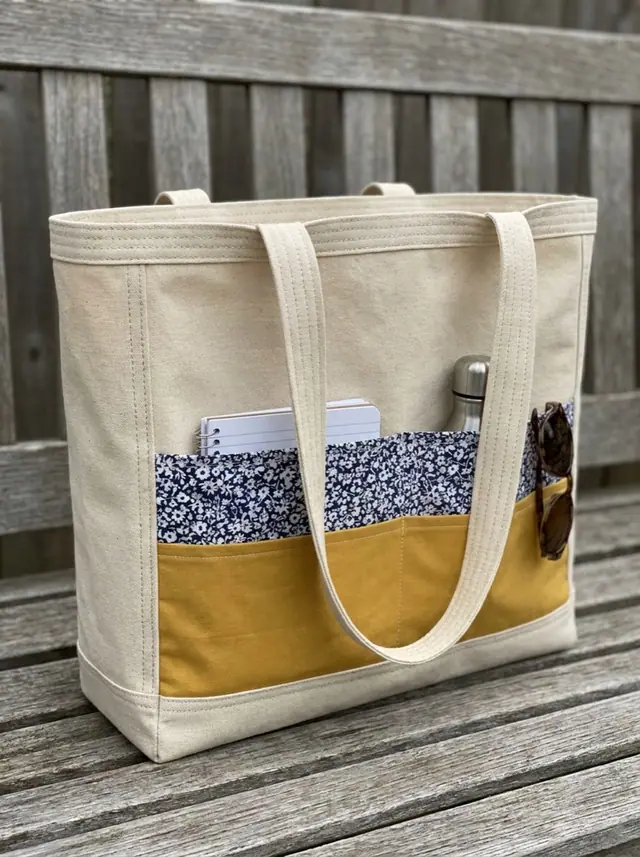 How to sew a tote bag with pockets: sizes, fabric, steps7 min read
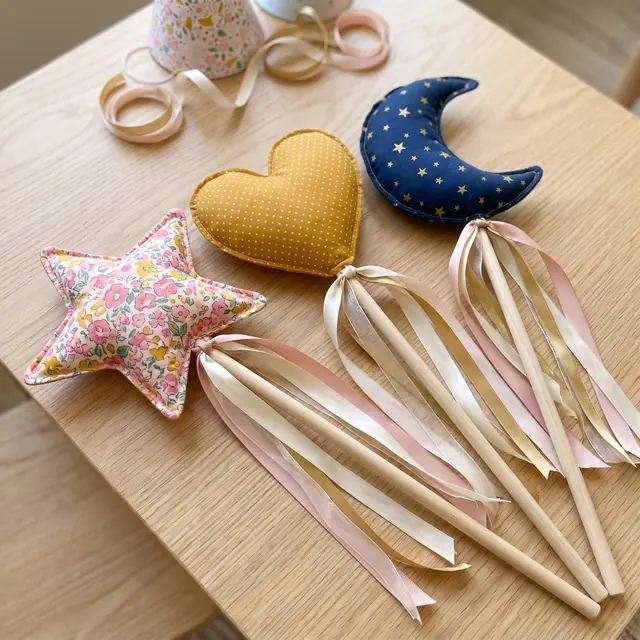 Valentine's day sewing projects: 12 ideas by time6 min read
 How to sew a dog hat (4 sizes, 12 steps)7 min read