Sewzy
To adjust sewing machine tension, first rethread the top thread with the presser foot up, then sew a test seam on a scrap folded double and turn the tension dial one number at a time. A balanced stitch looks the same on both sides, with the two threads locking between the layers of fabric. Turning the dial to a higher number tightens the top thread, and a lower number loosens it.
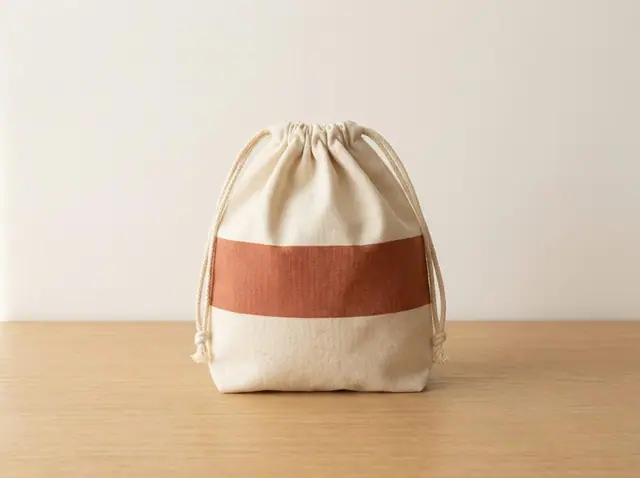
Get the pattern: Drawstring Bag sewing pattern (free PDF), with every size and a step-by-step guide.
TL;DR
- Rethread first. Most tension problems come from a top thread that is not seated in the tension discs, not from the dial.
- Test on a scrap of your real fabric, folded double, with a different color of thread in the top and the bobbin so you can read the stitch.
- Higher number on the dial means a tighter top thread. Lower number means looser. Change one number at a time and sew again.
- Loops underneath usually mean the top tension is too loose. Bobbin thread showing on top usually means it is too tight.
- Leave the bobbin case alone unless you have tried everything else.
Sew the Drawstring Bag from this guide, step by step, in the Sewzy app
Pick your size, print it from your phone, and follow every step with a sewing coach beside you.


What is thread tension?
Every stitch is made of two threads: the top thread from the spool and the bobbin thread from below. Tension is the pull on each thread as it feeds into the stitch. When the pull on both is even, the threads meet and lock in the middle of the fabric, which is why a balanced stitch looks the same on the front and the back. When one thread pulls harder than the other, the knot moves toward one side of the fabric, and you see loops, dots or puckers.
What does a balanced stitch look like?
Look at a straight stitch on both sides. The stitches should be even, flat and the same on both sides, with no loops, no tiny dots of the other color and no wrinkles in the fabric. If you use a different color for the top and the bobbin, then a balanced seam shows only the top color on the top and only the bobbin color underneath. The knot between the two threads sits between the layers, where you cannot see it.
How do I test my tension?
- Cut a scrap of the real fabric. Use the same fabric you plan to sew, folded double so you have two layers, as in a real seam.
- Use two colors of thread. Put one color in the needle and another in the bobbin. Use the same needle and thread you will use on the project.
- Sew a line about 6 inches long. Use a normal stitch length and sew at an even speed.
- Read both sides. Check the top and the bottom against the symptom table below.
- Change one thing. Move the dial by one number, sew another line next to the first, and compare. Stop when both sides look the same.
Write down the number that worked for that fabric and thread. The best setting changes with thread weight and fabric, so test again when you switch.
Which way do I turn the tension dial?
Turning toward the higher numbers tightens the top thread, and turning toward the lower numbers loosens it. Many machines have a dial from 0 to 9, and the default setting is often around the middle, but check your manual because it varies. Move the dial just one number at a time, because a big jump makes it hard to see what helped. Some computerized machines set the tension automatically, so you may have no dial at all. On those machines, threading, the needle and the thread matter even more.
What do the symptoms mean?
| What you see | Likely cause | What to do |
|---|---|---|
| Loops of thread on the bottom of the fabric | Top tension too loose, or the top thread is not seated in the tension discs | Rethread with the foot up, then turn the dial to a higher number |
| Dots of bobbin thread showing on top, or a top thread that lies straight | Top tension too tight | Turn the dial to a lower number. Check the thread path for a snag |
| Fabric puckers along the seam | Tension too tight, thread too heavy for the fabric, or the stitch is too short | Lower the dial one number, lengthen the stitch, and use a finer thread or needle |
| Top thread keeps breaking | Tension too tight, a threading slip, old thread or a damaged needle | Rethread, fit a new needle and try fresh thread, then lower the dial |
| Thread nest under the fabric | Top thread not in the tension discs | See the thread bunching guide below |
| Skipped stitches | Usually the needle, not the tension | See the skipped stitches guide below |
Should I rethread before I touch the dial?
Yes, always. Lift the presser foot, because this opens the tension discs so the thread can seat between them, and raise the needle to its highest position. Then thread the machine again from the spool, hooking the take-up lever. Lower the foot before you sew. A thread that missed the discs has no tension at all, and no dial setting will fix that. Our guide on how to thread a sewing machine shows the full path. If you get a tangle under the fabric, go to thread bunching under the fabric, and if the stitches skip, see how to fix skipped stitches. If the machine pulls fabric into the plate, why does my sewing machine keep eating fabric covers the other causes.
What about the bobbin tension?
The bobbin case has its own tiny screw on many machines, and it rarely needs an adjustment. Check the bobbin first: it should be wound evenly, sit the right way round and be free of lint. If you still need to adjust the bobbin case, turn the screw only a small amount and write down where you started, so you can go back. Many drop-in bobbin machines are not meant to be adjusted by the user, so check your manual before you try it.
Common mistakes
- Turning the dial first. Rethread, change the needle and check the bobbin before you touch the dial.
- Making big jumps. Move one number at a time.
- Changing two things at once. You will not know which one fixed it.
- Testing on a single layer or a different fabric. Test on your project fabric, folded double.
- Forgetting to reset. After a special project, put the dial back to your normal setting.
- Using the wrong needle or thread. Match them to the fabric. The needle and thread guide has a chart.
What should I sew to practice?
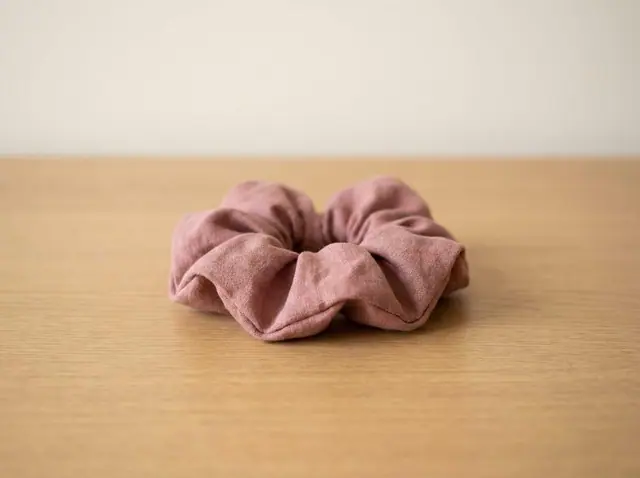
Practice on a project with long, straight seams. The free Drawstring Bag is a beginner pattern that takes about 30 minutes, with a seam allowance of ⅜ inch (1 cm), and it has long straight seams to read. It comes in three sizes. Use a plain quilting cotton and two thread colors so you can see the stitch. The free Scrunchie takes about 15 minutes and is a quick second test. You can find more in the free sewing patterns, and the easy sewing projects for beginners list is a good next step.
 Baby's first Christmas gifts to sew: 7 handmade ideas7 min read
 Memory bunny pattern: sew a keepsake bunny from clothes8 min read
 How to understitch: keep facings and linings flat7 min read